🔊 English Vowel Sounds
English has 20 vowel sounds produced by different mouth positions and lip shapes. Master these sounds to achieve clear, native-like pronunciation.
How to Practice
- Read each vowel sound and its description
- Say the example words out loud
- Record yourself and compare with native speakers (YouTube)
- Practice 5-10 words daily until each sound feels natural
Monophthongs (Single Vowel Sounds)
These are pure vowel sounds that don't change quality during pronunciation.
/iː/
FLEECE (/iː/)
Mouth corners wide, lips spread. Tongue high and forward. Say with a smile.
bee
see
tea
fleece
key
/ɪ/
KIT (/ɪ/)
Mouth slightly closed, lips relaxed. Tongue high but less forward than /iː/.
kit
sit
with
bit
fish
/ɛ/
DRESS (/ɛ/)
Mouth mid-open, lips slightly spread. Tongue in mid-front position.
bed
red
dress
pen
get
/æ/
TRAP (/æ/)
Mouth open, lips spread. Tongue low and forward. Produced in front of mouth.
cat
bad
trap
man
apple
/ɑː/
LOT/PALM (/ɑː/) - American
Mouth wide open, lips relaxed. Tongue low and back. American English merges LOT and PALM.
hot
father
dog
car
pot
/ɔː/
THOUGHT (/ɔː/)
Mouth slightly open, lips rounded. Tongue back and mid-high. Note: Many Americans merge with /ɑː/.
thought
caught
law
bought
call
/ʊ/
FOOT (/ʊ/)
Mouth slightly open, lips rounded. Tongue high but back. Relaxed and quick.
foot
good
book
cook
could
/uː/
GOOSE (/uː/)
Mouth almost closed, lips rounded and protruded. Tongue very high and back.
goose
blue
true
food
who
/ʌ/
STRUT (/ʌ/)
Mouth open, lips neutral. Tongue in central position. Quick, relaxed sound.
cup
strut
love
but
run
/ə/
SCHWA (Unstressed)
Most common vowel in English! Mouth neutral, lips relaxed. Central tongue position. Used in unstressed syllables.
about
sofa
supply
comma
around
/ɝ/
NURSE (/ɝ/) - American R-colored
American R-colored vowel. Tongue curls up in center of mouth. Strong R sound throughout.
nurse
bird
hurt
work
turn
Diphthongs (Vowel Combinations)
These vowel sounds glide from one position to another within a single syllable.
/eɪ/
FACE
Starts like /e/ and glides to /ɪ/. Mouth moves from mid-open to almost closed.
face
day
say
game
make
/oʊ/
GOAT
Starts like /ɔː/ and glides to /ʊ/. Lips round and move from open to closed.
goat
go
phone
home
no
/aɪ/
PRICE
Starts like /ɑː/ and glides to /ɪ/. Mouth opens wide then closes. Sound like "ey-ee".
price
like
my
eye
try
/ɔɪ/
CHOICE
Starts like /ɔː/ and glides to /ɪ/. Lips round at start and spread at end.
choice
boy
enjoy
oil
coin
/aʊ/
MOUTH
Starts like /ɑː/ and glides to /ʊ/. Mouth opens then rounds. Sound like "ah-oo".
mouth
now
house
cow
down
/ɪr/
NEAR - American /ɪr/
American R-colored diphthong. Starts like /ɪ/, tongue curls up for strong R sound.
near
ear
beer
fear
here
/ɛr/
SQUARE - American /ɛr/
American R-colored diphthong. Starts like /ɛ/, tongue curls up for strong R sound.
square
care
hair
pair
where
/jʊr/
CURE (rare in American)
Starts like /j/ + /ʊ/ and glides to /r/. Note: Many Americans say /ʊr/ or /ɔr/ instead.
cure
pure
mature
/ɔr/
NORTH - American /ɔr/
American R-colored vowel. Tongue starts back/rounded, curls up for R sound.
north
door
more
shore
store
tour
pour
💡 Pro Tips for Mastering Vowel Sounds
- Use a mirror: Watch your mouth position as you say each sound. Compare with videos of native speakers.
- Feel the differences: The shape of your mouth and position of your tongue determine the sound. Move deliberately between similar sounds.
- Record yourself: Use your phone to record and compare with native speakers. Pay attention to length and clarity.
- Practice minimal pairs: Say words that differ by only one vowel (e.g., "sit" vs "seat", "cat" vs "cut") to hear the differences.
- Slow down native speech: Use YouTube's slow-motion feature (0.75x speed) to hear vowels more clearly.
- Exaggerate movements: When practicing, exaggerate your mouth shapes to build muscle memory.
- Daily practice: Spend 10-15 minutes daily on vowel sounds. Consistency beats intensity.
🎯 Visual Tool: Spectrolite (Sound Wave Visualization)
Spectrograms show the frequency patterns of sounds. When you record yourself saying a word, you can compare your sound wave with a native speaker's.
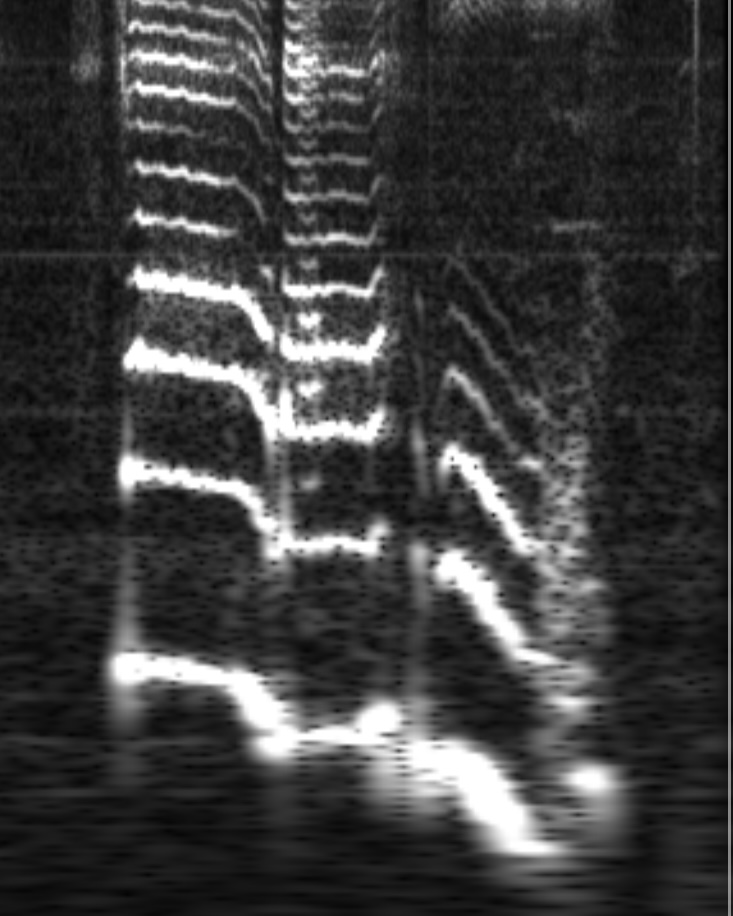
What you're seeing:
- Horizontal axis: Time (left = start of word, right = end)
- Vertical axis: Frequency (pitch)
- Stressed syllable: Shows higher intensity (darker/bolder colors)
- Pronunciation patterns: Ends with a downward slope = correct stress pattern
How to use this:
- Record yourself saying a word (use your phone or computer)
- Upload to an online spectrolite tool (search "spectrolite generator")
- Compare your wave with a native speaker's recording
- If they look the same = you're pronouncing it correctly
- If they look different = adjust your stress, length, or vowel quality
💡 Pro tip: Most pronunciation differences are visible in the spectrogram before you even hear them!
Minimal Pairs Practice
These word pairs differ by only one vowel sound. Practice saying them to hear the difference clearly:
/iː/ vs /ɪ/
fleece ↔ flick
seat ↔ sit
beat ↔ bit
leave ↔ live
fleece ↔ flick
seat ↔ sit
beat ↔ bit
leave ↔ live
/e/ vs /æ/
bed ↔ bad
pen ↔ pan
met ↔ mat
get ↔ gat
bed ↔ bad
pen ↔ pan
met ↔ mat
get ↔ gat
/ɔː/ vs /ʌ/
caught ↔ cut
law ↔ love
walk ↔ work
paw ↔ pub
caught ↔ cut
law ↔ love
walk ↔ work
paw ↔ pub
/ʊ/ vs /uː/
foot ↔ food
pull ↔ pool
book ↔ boon
cook ↔ cool
foot ↔ food
pull ↔ pool
book ↔ boon
cook ↔ cool
/ə/ vs /ʌ/
about ↔ strut
sofa ↔ soda
above ↔ glove
supply ↔ hungry
about ↔ strut
sofa ↔ soda
above ↔ glove
supply ↔ hungry
/aɪ/ vs /ɔɪ/
light ↔ loin
buy ↔ boy
sight ↔ soil
time ↔ toy
light ↔ loin
buy ↔ boy
sight ↔ soil
time ↔ toy